Introduction
In today’s fast-paced, technology-driven world, digital marketing has become an essential part of any business strategy. From small startups to large corporations, companies across industries are harnessing the power of digital marketing to reach and engage their target audiences more effectively. As we look towards the future, the scope of digital marketing continues to expand, offering exciting opportunities for businesses to thrive in an increasingly connected world.
In this blog, we’ll explore the vast scope of digital marketing, its importance, key trends, and how businesses can leverage it for growth and success.
1. The Expanding Reach of Digital Marketing
Unlike traditional marketing channels like TV, radio, and print media, digital marketing offers the advantage of a global reach. With the widespread use of the internet, businesses can connect with audiences across the globe, breaking down geographical barriers. Whether you’re running an e-commerce store, offering services, or building a brand, digital marketing enables you to:
- Target Specific Audiences: Using tools like Google Ads, Facebook Ads, and social media targeting, businesses can zero in on specific demographics, interests, and behaviors.
- 24/7 Availability: With websites and social media platforms accessible around the clock, businesses can engage with customers in real-time, ensuring continuous interaction and customer satisfaction.
2. Cost-Effectiveness Compared to Traditional Marketing
One of the primary reasons digital marketing is so appealing to businesses, especially startups, is its cost-effectiveness. Traditional marketing channels such as print ads, TV commercials, and billboards can be expensive, with limited tracking capabilities. Digital marketing, on the other hand, allows businesses to:
- Use Low-Cost Advertising: Platforms like social media, Google Ads, and email marketing allow you to set flexible budgets and track performance in real-time.
- Track ROI: Digital marketing offers detailed analytics and insights, enabling businesses to measure the effectiveness of their campaigns and adjust strategies in real-time.
- Scale Efforts: Small businesses can scale their digital marketing campaigns according to their budget, ensuring they only spend as much as they need for maximum impact.
3. The Growth of Mobile Marketing
With more than half of the world’s population using smartphones, mobile marketing has become an integral part of digital marketing strategies. The mobile-first approach is now crucial for any business looking to maintain a strong online presence. Key aspects of mobile marketing include:
- Responsive Websites: Having a website that’s mobile-friendly is essential, as users often browse or make purchases via mobile devices.
- App Marketing: With mobile apps becoming more popular, businesses are now creating their own apps for customer engagement and retention.
- SMS & Push Notifications: These provide an effective and direct way to communicate with users in real-time, offering personalized promotions and updates.
4. The Power of Social Media Marketing
Social media is one of the most powerful tools in digital marketing. Platforms like Facebook, Instagram, Twitter, LinkedIn, and TikTok have billions of active users, offering businesses a chance to connect with their audience in meaningful ways. The scope of social media marketing includes:
- Brand Awareness: By creating engaging content, businesses can raise brand awareness and build a loyal following.
- Community Engagement: Social media allows businesses to interact with customers directly, receive feedback, and nurture customer relationships.
- Influencer Marketing: Collaborating with influencers can significantly boost brand credibility and reach.
5. Content Marketing: A Key Driver of Engagement
Content is king, and in the digital marketing world, it’s the foundation for building relationships with your audience. Content marketing involves creating valuable, relevant content that educates, entertains, or solves a problem for your target audience. The scope of content marketing includes:
- Blogging: Regularly posting informative articles on your website can help improve SEO rankings and drive organic traffic.
- Video Marketing: With the rise of platforms like YouTube and TikTok, video content is becoming an increasingly important medium for brand promotion.
- Podcasts and Webinars: These are excellent tools for sharing knowledge and engaging with a more niche audience in a deeper, more personal way.
6. The Role of Data and Analytics in Digital Marketing
One of the most valuable advantages of digital marketing is the ability to track and analyze customer behavior through data. With advanced tools like Google Analytics, businesses can:
- Understand Customer Preferences: Data helps businesses understand what works and what doesn’t in their marketing campaigns, allowing them to refine their strategies accordingly.
- Personalization: By leveraging customer data, businesses can deliver personalized experiences, tailored content, and targeted advertisements that resonate with individual customers.
- Predictive Analytics: Marketers can use data to predict future trends and behaviors, allowing them to stay ahead of the competition.
7. SEO and SEM: Increasing Visibility
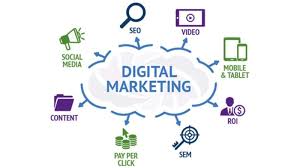
Search Engine Optimization (SEO) and Search Engine Marketing (SEM) are essential for businesses looking to improve their online visibility and rank higher on search engines like Google. SEO focuses on optimizing website content to appear in organic search results, while SEM involves paid advertising for immediate visibility. The scope of SEO and SEM includes:
- Higher Organic Reach: SEO strategies help businesses achieve long-term, sustainable traffic from search engines.
- Paid Advertising: SEM allows businesses to invest in pay-per-click (PPC) campaigns, ensuring they appear at the top of search results for targeted keywords.
- Local SEO: With the rise of “near me” searches, local SEO is crucial for businesses serving specific geographic locations.
8. Email Marketing: Building Customer Loyalty
Email marketing is one of the most effective ways to nurture relationships with your customers. Whether you’re sending out newsletters, promotional offers, or product updates, email marketing helps you stay connected with your audience. The scope of email marketing includes:
- Building a Subscriber List: By offering value, businesses can grow their email list and create a loyal customer base.
- Personalized Campaigns: Segmenting your audience and tailoring emails based on customer preferences can increase open rates and conversions.
- Automation: Automated email campaigns allow businesses to send targeted messages at the right time without manual effort, saving time and resources.
Conclusion: The Future of Digital Marketing
The scope of digital marketing continues to evolve, with new technologies, platforms, and strategies emerging constantly. As businesses adapt to the ever-changing digital landscape, it’s clear that digital marketing will remain a cornerstone of growth, engagement, and success. Whether you’re a small business owner or a large corporation, now is the time to invest in digital marketing to stay competitive, engage your audience, and drive sustainable growth.
The future of digital marketing is bright, and those who embrace its potential will undoubtedly reap the benefits of a connected, data-driven world. This the Scope of Digital Marketing